Home · Traction or ploughing engine?
The signature desk
Traction engines, ploughing engines — and tractors?
A great steam engine in a field is easy to point to. Official museum wording is more careful. It names traction engines and ploughing engines as separate items on a drawings list, it places the Steam Plough Works in Leeds in 1860, and it keeps steam ploughing equipment distinct from a tractor.
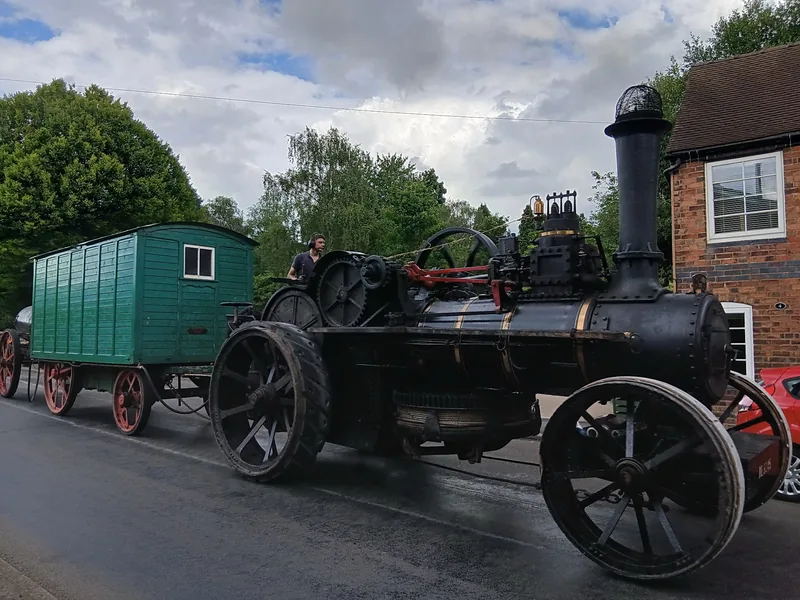
The desk on the home page is built from the Museum of English Rural Life’s John Fowler & Co. (Leeds) Ltd. Archive page, and from the official label on a Lister-Cockshutt tractor plough (object 79/68), which is also quoted on ploughs.farmyard.im. It asks five things: how official wording names the two engine classes; what it says about the Steam Plough Works; why the 1850 origin story needs care; why a tractor is kept distinct; and why a farm-park or championship photograph is not a typical working day.
Enjoyed the steam?
No pop-ups. No intrusive advertising. Just interesting stuff. A little support helps the next farmyard site get built.